

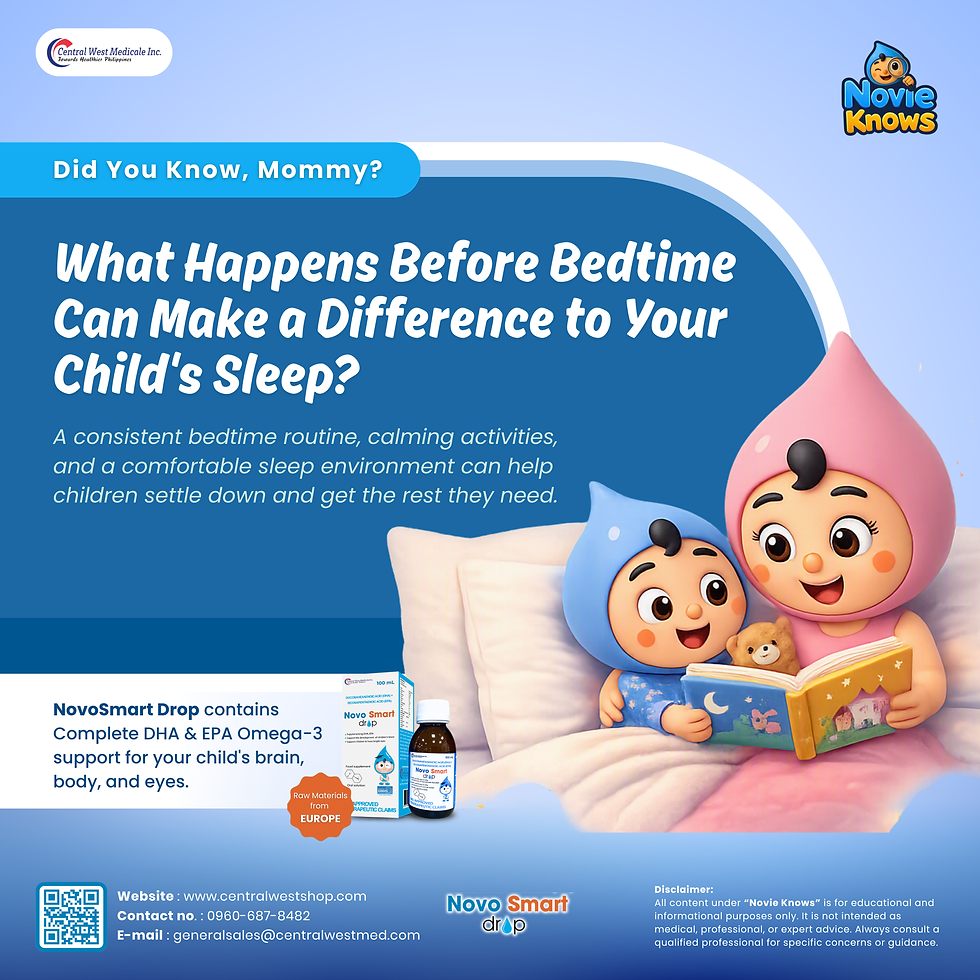
What Happens Before Bedtime Can Make a Difference to Your Child's Sleep!
A consistent bedtime routine, calming activities, and a comfortable sleep environment can help children settle down and get the rest they need.
Small Bedtime Habits, Better Sleep Routines
After a busy day of learning, playing, and exploring, children need time to slow down and prepare for sleep. But for many parents, getting little ones ready for bed isn't always easy. Some children want one more story, others want extra playtime, and some simply find it difficult to settle down.
The good news? Establishing a simple, consistent bedtime routine can help make the transition from an active day to a restful night more manageable.
According to the American Academy of Pediatrics, regular sleep schedules, calming bedtime activities, and a comfortable sleep environment are important parts of healthy sleep habits. These small steps can help children understand when it's time to rest and what to expect each evening.
Let's explore how you can make bedtime a more peaceful part of your family's day.
1. Keep Bedtime Consistent
Children benefit from knowing what comes next. Going to bed and waking up at around the same time each day can help establish a regular sleep schedule.
Try creating a predictable evening routine that your child can follow, even on busy days.
For example:
Take a warm bath or wash up.
Put on comfortable pajamas.
Brush teeth and prepare for bed.
Read a favorite bedtime story.
Turn off the lights and settle down for sleep.
The routine doesn't have to be complicated. What matters most is finding a schedule that works for your family and maintaining it as consistently as possible.
2. Make Time for Calming Activities
Bedtime doesn't have to mean an abrupt end to the day's activities. Giving children time to wind down can help them transition from playtime to rest.
Instead of exciting games or energetic activities right before bed, try introducing quieter alternatives, such as reading a book together, listening to gentle music, talking about the day's happy moments, or enjoying a few minutes of quiet bonding.
These activities also give parents an opportunity to connect with their children.
A simple question like, "What was your favorite part of today?" can turn bedtime into a meaningful moment of conversation and connection.
3. Create a Comfortable Sleep Environment
A child's sleeping environment can influence how easily they settle down at night.
Whenever possible, keep the bedroom quiet, comfortable, and dimly lit. Choose comfortable sleepwear and bedding appropriate for the room's temperature.
It's also helpful to establish screen-free time before bed. Phones, tablets, televisions, and other electronic devices can keep children mentally stimulated and may interfere with their bedtime routine.
For younger children, remember that safe sleep practices are especially important. Infants should sleep on their backs on a firm, flat sleep surface, without loose bedding, pillows, or soft toys in their sleep space.
Creating a comfortable and safe environment helps make sleep a more consistent part of everyday life.
4. Remember That Children Need Enough Sleep
Sleep is an important part of children's overall health and development. It supports attention, learning, emotional well-being, and physical health.
However, the amount of sleep children need varies with age.
General recommendations from the American Academy of Pediatrics and other health authorities include:
Infants aged 4–12 months: 12–16 hours per 24 hours, including naps.
Toddlers aged 1–2 years: 11–14 hours per 24 hours, including naps.
Preschoolers aged 3–5 years: 10–13 hours per 24 hours, including naps.
School-aged children aged 6–12 years: 9–12 hours per night.
Teenagers aged 13–18 years: 8–10 hours per night.
These recommendations are general guidelines. Individual sleep needs can vary, and younger infants have additional age-specific sleep considerations.
If your child regularly struggles to fall asleep, wakes frequently, snores loudly, or seems unusually tired during the day, consider discussing these concerns with your pediatrician.
5. Support Healthy Sleep With Healthy Daily Habits
A restful night begins long before bedtime.
Children benefit from balanced meals, regular physical activity, opportunities for outdoor play, and a predictable daily schedule. Getting natural daylight during the day and keeping active play earlier in the evening may also help support a healthy sleep-wake rhythm.
Nutrition is another important part of a child's overall well-being. Offering a variety of nutrient-rich foods, encouraging regular meals, and making water available throughout the day can help children develop healthy habits as they grow.
Remember, no single food, supplement, or bedtime ritual can replace adequate sleep. A balanced approach that includes nutrition, activity, emotional connection, and consistent routines helps support children's overall health.
6. Turn Bedtime Into a Moment of Connection
Some of the most meaningful parts of a child's day happen during the quiet moments before sleep.
A bedtime story, a gentle conversation, a goodnight hug, or a few minutes spent listening to your child's thoughts can become cherished family traditions.
These little rituals don't need to be perfect. Some evenings will be easier than others, and routines may change as children grow.
The goal isn't to create a flawless bedtime schedule. It's to build healthy habits that help your child feel secure, supported, and ready to rest.
Because sometimes, the simplest moments make the biggest difference.
A Gentle Reminder for Parents: Every Part of Growth Matters
Healthy sleep is just one piece of a child's overall development. Everyday habits—including balanced nutrition, physical activity, play, learning, and family connection—all contribute to a child's well-being.
For parents who want to learn more about nutrients that support children's development, it's helpful to understand the role of omega-3 fatty acids, including DHA and EPA.
DHA is an important component of the brain and retina, while EPA is another omega-3 fatty acid involved in normal body functions. Children can obtain omega-3 fatty acids through appropriate food sources, including certain fish, as part of a varied and balanced diet.
For families exploring omega-3 supplementation, NovoSmart Drop is an orange-flavored DHA + EPA oral solution that also contains vitamin E. As with any supplement for children, parents should review the product information and consult their child's healthcare professional about age-appropriate use, especially for infants and toddlers.
It's important to remember that NovoSmart Drop is not a sleep aid and should not be expected to make children fall asleep or improve their sleep quality. Healthy bedtime routines and adequate rest remain essential parts of a child's daily well-being.
At Central West Shop, we believe that helping parents understand everyday health habits is an important step toward making informed choices for their families.
Want to Learn More About Children's Nutrition?
Explore more health and wellness information and learn about NovoSmart Drop through our official online shop.
Visit CentralWestShop.com to discover more.
Let's Talk, Parents!
What's your little one's favorite bedtime ritual? Is it listening to a bedtime story, singing a favorite lullaby, or sharing a few cuddles before lights out?
Share your family's nighttime routine in the comments. Your simple ideas might help another parent make bedtime a little more peaceful!
References
American Academy of Pediatrics — Sleep and Health: Why Rest Matters for Your Child—and Your Whole Family
Information about sleep, children's well-being, consistent sleep schedules, and creating a comfortable sleep environment.
Centers for Disease Control and Prevention — Tips for Relying on Routines and Rules
Explains how predictable daily routines, including brushing teeth and reading before bed, can help children know what to expect.
American Academy of Pediatrics — Promoting Healthy Sleep for Atopic Dermatitis
Provides general sleep-hygiene guidance, including calming bedtime routines, consistent schedules, and a suitable sleeping environment.
American Academy of Pediatrics — Safe Sleep
Provides guidance on creating a safe sleeping environment for infants.
Centers for Disease Control and Prevention — About Sleep
Provides general information about healthy sleep habits, including maintaining a regular sleep schedule and turning off electronic devices before bedtime.
Disclaimer
𝘈𝘭𝘭 𝘤𝘰𝘯𝘵𝘦𝘯𝘵 𝘶𝘯𝘥𝘦𝘳 “𝘕𝘰𝘷𝘪𝘦 𝘒𝘯𝘰𝘸𝘴” 𝘪𝘴 𝘧𝘰𝘳 𝘦𝘥𝘶𝘤𝘢𝘵𝘪𝘰𝘯𝘢𝘭 𝘢𝘯𝘥 𝘪𝘯𝘧𝘰𝘳𝘮𝘢𝘵𝘪𝘰𝘯𝘢𝘭 𝘱𝘶𝘳𝘱𝘰𝘴𝘦𝘴 𝘰𝘯𝘭𝘺. 𝘐𝘵 𝘪𝘴 𝘯𝘰𝘵 𝘪𝘯𝘵𝘦𝘯𝘥𝘦𝘥 𝘢𝘴 𝘮𝘦𝘥𝘪𝘤𝘢𝘭, 𝘱𝘳𝘰𝘧𝘦𝘴𝘴𝘪𝘰𝘯𝘢𝘭, 𝘰𝘳 𝘦𝘹𝘱𝘦𝘳𝘵 𝘢𝘥𝘷𝘪𝘤𝘦. 𝘈𝘭𝘸𝘢𝘺𝘴 𝘤𝘰𝘯𝘴𝘶𝘭𝘵 𝘢 𝘲𝘶𝘢𝘭𝘪𝘧𝘪𝘦𝘥 𝘱𝘳𝘰𝘧𝘦𝘴𝘴𝘪𝘰𝘯𝘢𝘭 𝘧𝘰𝘳 𝘴𝘱𝘦𝘤𝘪𝘧𝘪𝘤 𝘤𝘰𝘯𝘤𝘦𝘳𝘯𝘴 𝘰𝘳 𝘨𝘶𝘪𝘥𝘢𝘯𝘤𝘦.



Comments